
Remanufacturing used to be considered a niche activity—an add-on to traditional production. Today, it’s emerging as a strategic advantage for manufacturers seeking resilience, revenue diversification, and sustainability.
What does that future look like?
More importantly, when we work with manufacturers, what do we encourage them to envision at Anvarta?
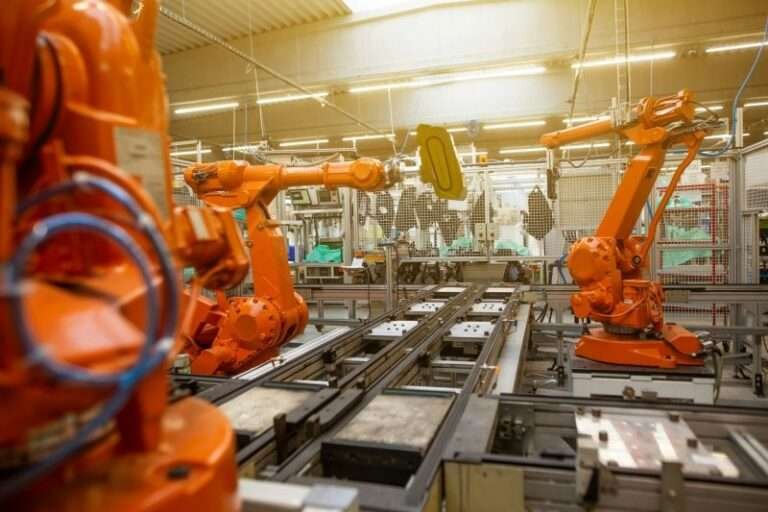
We see leaders in manufacturing embracing remanufacturing not because regulators demand it, but because the business case speaks for itself: lower material inputs, stable supply chains, premium product offerings as they come with story, and stronger customer loyalty. Remanufactured products can achieve up to 90% of material recovery while performing new—and consumers are increasingly recognising their value.
The shift is no longer “Why do circular models matter?”
But,
“How fast can we build them into the core business?” Companies investing now are creating competitive moats for the decade ahead.
If we take a deeper look, remanufacturing isn’t just about making components again. It’s about rethinking value, strengthening brand trust, and preparing for a world where circularity is the norm—not the exception.