
World Economic Forum
Home / Back Read more most popular articles Circular Economy How a circular economy could help tackle Sri Lanka’s economic crisis Sri Lanka is in the grip of an economic crisis, with rising inflation and food shortages. A circular economy offers a sustainable alternative to aid recovery. Read More >> Manufacturing and Value Chains 5 […]
Los Angeles Times

Home / Back The pandemic let us imagine a world without waste To wrap your mind around the vast problem of waste, it helps to start by thinking about the disposable dental flosser. If you’re not familiar with this particular oral health implement, picture a plastic fork with two tines connected by a length of […]
Financial Management Magazine
Home / Back Putting purpose into action through sustainable models, measurements The CFO of Maersk’s Far East operations and an expert in circular economy share how to execute sustainable ambitions that create value for stakeholders. In recent years, more companies have realised that it’s critical to have a corporate purpose beyond profits. The current pandemic […]
The Guardian

Home / Back Australian researchers say used face masks could be recycled to make roads Engineers at RMIT say the road-making material could help tackle the vast amount of waste generated from Covid protective equipment Disposable face masks used to prevent the spread of Covid-19 could be recycled to make roads, a new study suggests. […]
Radio interview – ABC Canberra
Home / Back Radio interview – ABC Canberra Tags – Circular procurement, Innovation procurement, Organisational Strategy, Strategy, Supply chain redesign , Leadership Read more >> Facebook X-twitter Youtube Linkedin
Radio interview – ABC News Radio
Home / Back Radio interview – ABC News Radio Tags – Circular procurement, Innovation procurement, Organisational Strategy, Strategy, Supply chain redesign , Leadership Read more >> Facebook X-twitter Youtube Linkedin
Radio interview – Adelaide Radio
Home / Back Radio interview – Adelaide Radio Tags – Circular procurement, Innovation procurement, Organisational Strategy, Strategy, Supply chain redesign , Leadership Read more >> Facebook X-twitter Youtube Linkedin
Radio interviews on the environmental impact of facemasks
Home / Back Radio interviews on the environmental impact of facemasks Tags – Circular procurement, Innovation procurement, Organisational Strategy, Strategy, Supply chain redesign , Leadership Read more >> Facebook X-twitter Youtube Linkedin
Radio interview – ABC News
Home / Back Radio interview – ABC News Tags – Circular procurement, Innovation procurement, Organisational Strategy, Strategy, Supply chain redesign , Leadership Read more >> Facebook X-twitter Youtube Linkedin
Development of the Philippines’ National Circular Economy Framework and the Roadmap.
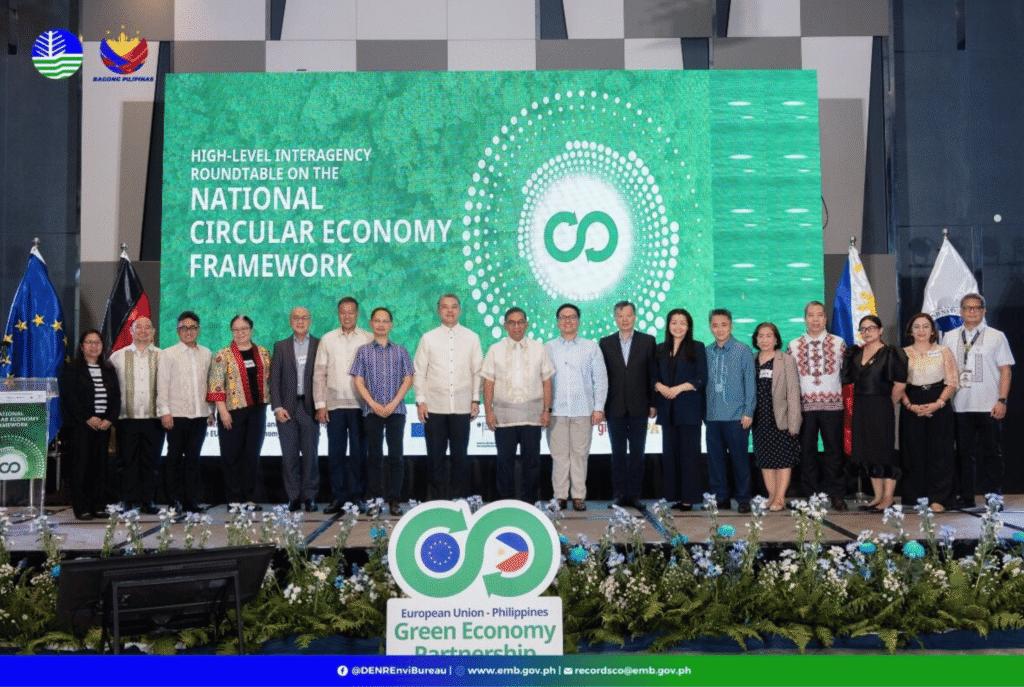
Home / Back Proud to see Dr Mayuri Wijayasundara contributing to this pivotal moment in shaping the circular future for the Philippines. deeply honoured to contribute to the development of the Philippines’ National Circular Economy Framework and the Roadmap. The High-Level Interagency Roundtable held last week in Manila gathered Cabinet leaders and national institutions, helping […]