
What if decarbonisation starts with making less?
We keep asking:
“How do we make the things we need with less carbon?”
What if we asked a question that could confront us first?
“Do we need to make as many things as we do today?”
This is where the conversation needs to move beyond decarbonisation and energy transition.
Yes, switching to renewable energy matters. Electrifying transport matters. Improving energy efficiency matters.
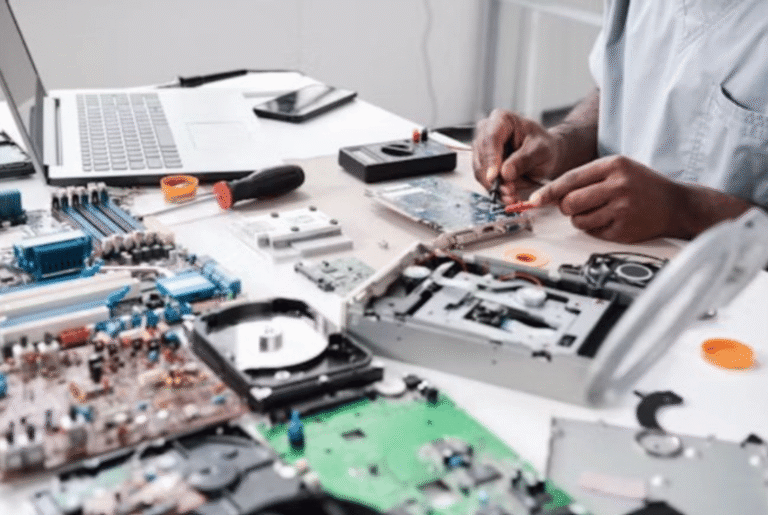
But carbon is also embedded in the materials themselves — in extraction, processing, manufacturing, transportation and disposal.
And that brings us to a second — often overlooked — strategies around resource productivity and designing for regeneration:
Not just using recycled materials.
Not just recycling more.
But using materials effectively, with the end-in-mind and more efficiently.
Think about it:
– Sharing a product instead of everyone owning one.
– Designing products to last longer instead of replacing them.
– Using less material through smarter design.
– Designing a product thinking its second cycle of life in mind.
– Moving from selling products to providing products-as-a-service.
The logic is simple:
– less materials
– less extraction
– less processing
– less manufacturing
– less transport
– potentially fewer emissions.
So perhaps the climate conversation needs two questions, not one:
Decarbonisation – How can we make what we produce with less carbon?
Resource productivity and designing for regeneration – How can we deliver the same or more value with less materials, travelling in nutrient cycles effectively?
The first makes production cleaner.
The second challenges the amount of production we need.
And that is where circular (regenerative) economy thinking can fundamentally change the decarbonisation conversation.
What if the next big climate opportunity isn’t just making things cleaner — but designing systems where we need to make less of them?