
We’ve all seen it.
Bins full of “recyclables.” Trucks on the road. Factories breaking materials down.
And yet — our waste problem keeps growing.
Why? Because recycling is:
👉 Reactive — it only deals with waste after it’s created.
👉 Energy-intensive — transport + processing add up.
👉 Value-limiting — products are stripped down, not built back up.
Australia’s Circular Economy Framework 2024 (released by Department of Climate Change, Energy, the Environment and Water) flips this thinking.
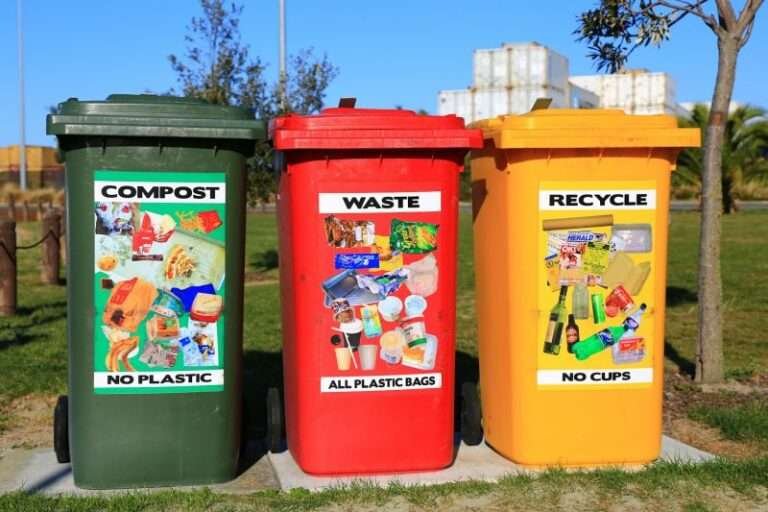
It asks: What if waste never happened in the first place?
The plan: double Australia’s circularity by 2035 through:
🔹 Designing modular, repairable, long-lasting products
🔹 Incentivising recycled inputs + bioplastics
🔹 Expanding producer responsibility for full lifecycle impact
🔹 Growing circular business models (like product-as-a-service)
🔹 Reforming policy to embed circularity in supply chains
Here’s the catch → recycling rates won’t magically rise. Waste won’t just disappear. Circular design won’t become standard… unless industries, governments, and communities stick with it — even when it’s complex, costly, or inconvenient.
Because circularity isn’t something you “try.”
It requires:
✅ Habits embedded into every design & procurement decision
✅ Cross-sector coordination across supply chains
✅ Clear metrics + accountability
✅ Long-term policy beyond election cycles
The framework gives us the what.
The how will decide whether Australia builds not just a greener economy, but a lasting economy.
What role do you think businesses should play in making circularity the norm?
Read more: https://lnkd.in/gCxm6YTK