
The Future’s Blueprint – Issue #4
Home / Newsletter The Future’s Blueprint – Issue #4 This Month’s Insight – Comparative measurement for a circular economy – Tools to assess the environmental impact Lifecycle Assessment – A look beyond what you see in a product Have you ever wondered, what is the real impact of a product, process, or service? What impacts are […]
The Future’s Blueprint – Issue #3
Home / Newsletter The Future’s Blueprint – Issue #3 This month’s insight – Materials for a circular economy Biochar – How it contributes to the biological cycle in a circulareconomy? Did you know that biochar had been a way of disposing of biomass, including organic waste safely while respecting the natural equilibrium from ancient times? […]
Circular Economy thinking in designing cities
Home / Newsletter Circular Economy thinking in designing cities Cities account for over 70% of global CO2 emissions. An increase in transportation and industrial buildings emerging as prominent contributors to this phenomenon. 45% of the world’s greenhouse gas emissions are caused by land management practices and the production of resources, products, and food. While Australia […]
Circular Economy Is About Designing Better Systems
Home / Circular Economy Is About Designing Better Systems Most packaging problems don’t actually start on the shop floor. They start long before that—often in rooms where decisions are made with the best intentions, but not always with the full picture. Across every sector, teams are feeling the pressure to pick “better” or “greener” materials. […]
The reality of trade-offs
Home / The reality of trade-offs Not all “sustainable” packaging options perform the same—and some fail where it matters most. Many organisations upgrade to new materials without a clear understanding of how those materials behave through real operational conditions, transport vibration, moisture exposure, stacking loads, contamination risks, and consumer interaction. Without this, packaging decisions become guesswork. A structured trade-off […]
The value of structured decisions without relying on judgment alone

Home / The value of structured decisions without relying on judgment alone In many organisations, complex decisions, such as selecting suppliers, materials, technologies, or investment priorities, are still shaped primarily by individual judgement. These judgements are usually formed through personal experience, functional priorities, or informal discussions rather than a shared evaluation method. This typically results […]
Oh my god bro, why is there a box, in a box and another box?
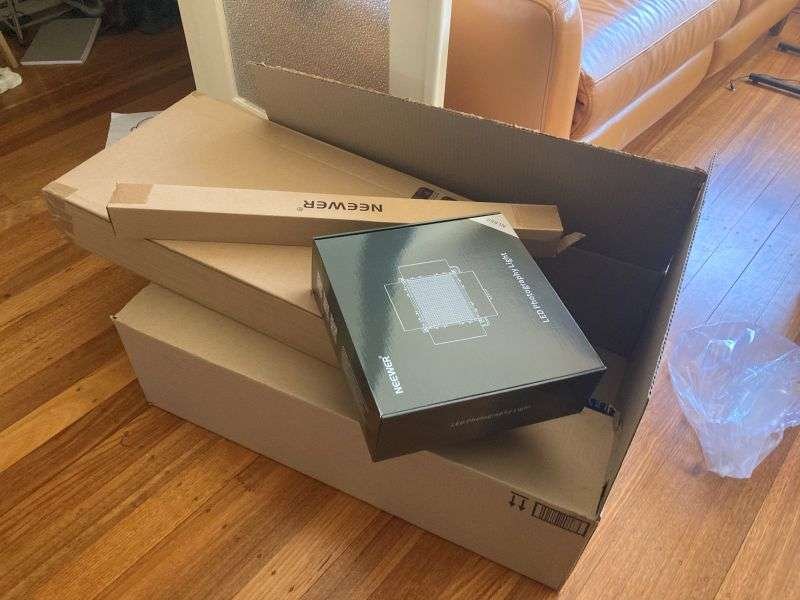
Home / “Oh my god bro, why is there a box, in a box and another box?” This is what I heard from the living hall when my 9-year-old started taking off packaging of some small electronic items I received via post. What I saw what he was unpacking, yes, you could reasonably say that it was over packaged. While […]
Making Trade-Offs Visible

Home / Making Trade-Offs Visible Why do some decisions look reasonable at the time, but cause problems later? Often, the issue is not the decision itself, but the trade-offs that were never discussed. In many organisations, options are compared using one dominant factor, such as: – choosing the lowest-cost supplier, – selecting the fastest solution […]
Many product solutions are designed around an important assumption: that people will use products exactly as intended.
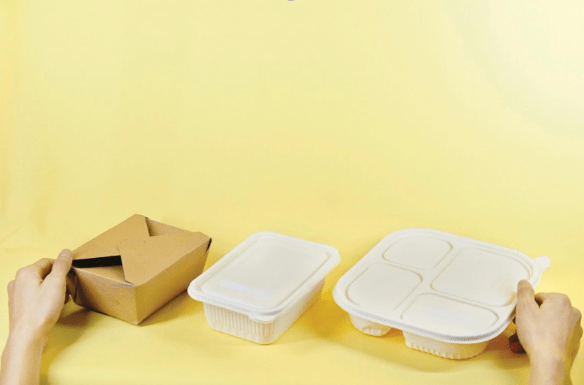
Home / Many product solutions are designed around an important assumption: that people will use products exactly as intended. But what does that actually mean in practice? It often means assuming that reusable items will be: – used frequently and consistently over long periods – returned, stored, or carried without friction – cared for in ways that preserve their durability […]
We want to be sustainable – right? Let’s move away from plastic
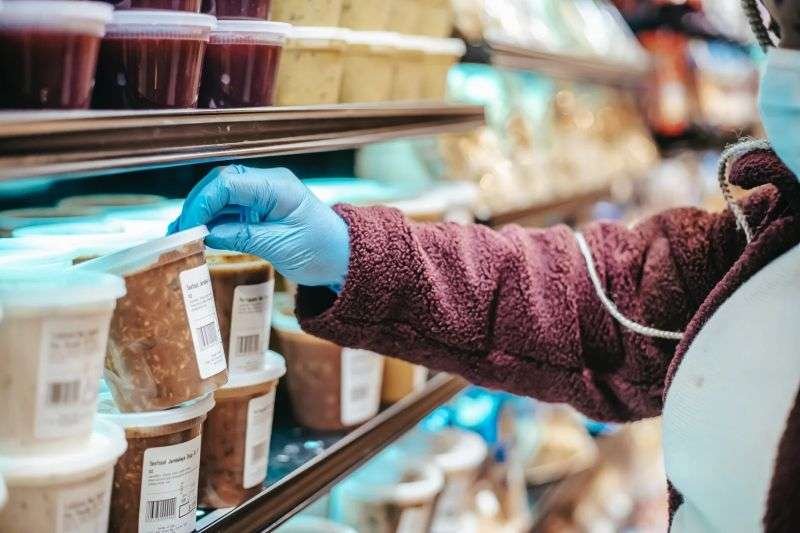
Home / We want to be sustainable – right? Let’s move away from plastic We see this a lot in packaging decisions: teams assume that choosing a material perceived as sustainable automatically lowers impact. But packaging doesn’t work that way. Different materials stress the system in different places: – Paper bags often come with higher water and energy use in production […]