
Europe has spent years building recycling infrastructure for plastics.
Yet only a small share of plastic waste finds its way back into new plastic products.
Why?
Because recycling is only half the equation. Market acceleration need different tactics.
If recycled plastic is more expensive than virgin plastic, if quality standards differ, and if buyers don’t trust recycled content, the market simply won’t grow.
The real challenge isn’t producing recycled plastic.
It’s creating demand for it.
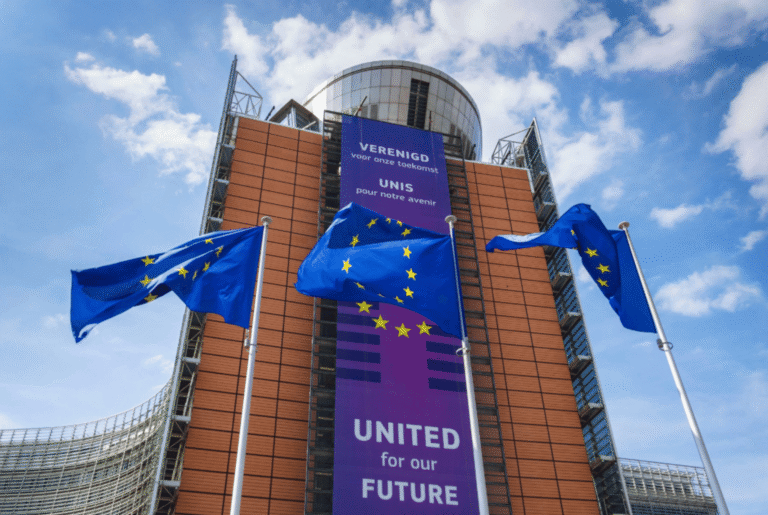
That is exactly where the European Union is shifting its focus.
Rather than introducing another recycling target, it is working to build a stronger market for recycled plastics through a couple of key changes:
– Creating a single market that makes recycled plastics easier to trade across Europe, changing classification of qualified recyclate not as a ‘waste’
– Introducing mass balance allocation rules harmonising how industry players comply with targets
– Strengthening traceability and verification so recycled content can be trusted.
– Providing clear rules that encourage investment in recycling technologies and circular supply chains.
This is a significant shift accelerating markets.
The future of plastics won’t be decided by collection rates alone. It will depend on whether recycled materials can compete economically with virgin materials.
For the industry, circularity is becoming more than a sustainability commitment it’s becoming a market transformation.
An interesting article that highlights how policy is evolving from managing waste to creating value.