
What skills will define the future of advanced manufacturing?
Home / What skills will define the future of advanced manufacturing? Together with The Gordon TAFE, City of Greater Geelong, Geelong Manufacturing Council, Geelong Tech School and Skilling the Bay, and with support from the Victorian Government, Anvarta delivered the Advanced Manufacturing Training Needs Analysis 2023. This report provides a roadmap for building the workforce […]
On paper, carbon markets are brilliant
Home / On paper, carbon markets are brilliant: On paper, carbon markets are brilliant: put a price on pollution, fund solutions like protecting forests or building solar farms, and funnel billions into climate action. Some see them as a bridge to deep decarbonisation; others argue they’ve become a pay-to-pollute loophole. Carbon credits can play a […]
Is Trust the Critical Factor in Carbon Markets?
Home / Is Trust the Critical Factor in Carbon Markets? Carbon markets carry significant potential to accelerate decarbonization. Their impact, however, depends on strengthening trust among all stakeholders. 1️⃣ Consumers are raising the bar — they expect companies to use offsets responsibly, alongside measurable progress in reducing emissions. 2️⃣ Businesses, on the other hand, are […]
The Hidden Flaws in Carbon Credits You Should Know
Home / The Hidden Flaws in Carbon Credits You Should Know Carbon credits can drive climate action, and there are three key factors that become significant in qualifying for them, which in fact also contribute to their quality and credibility. 🌱 Additionality: Was the project truly dependent on credit funding, or would it have happened […]
We begin life surrounded by gifts, soft toys, tiny clothes, the colors of care.

Home / We begin life surrounded by gifts, soft toys, tiny clothes, the colors of care. They mark our beginnings, then slowly fade into drawers, boxes, or forgotten corners of memory. As we grow, the practice of giving grows to, but so does its impact. Each year, new things are bought, wrapped, and stored while […]
What are the opportunities for the hospitality industry to better design for a circular economy?
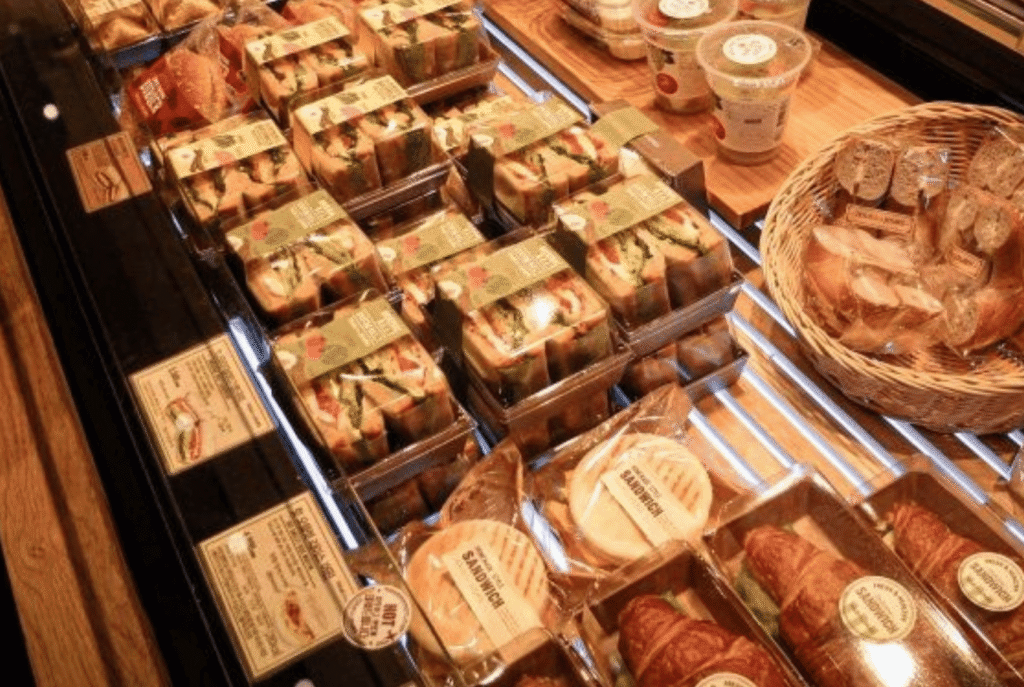
Home / What are the opportunities for the hospitality industry to better design for a circular economy? You might say – Packaging! Yes, it is an opportunity. But what about the most obvious? “Portions we serve!” We’ve seen portions increase in size over the last decades. A 6½-oz drink became 20 not because customers demanded […]
What has been will be again… there is nothing new under the sun
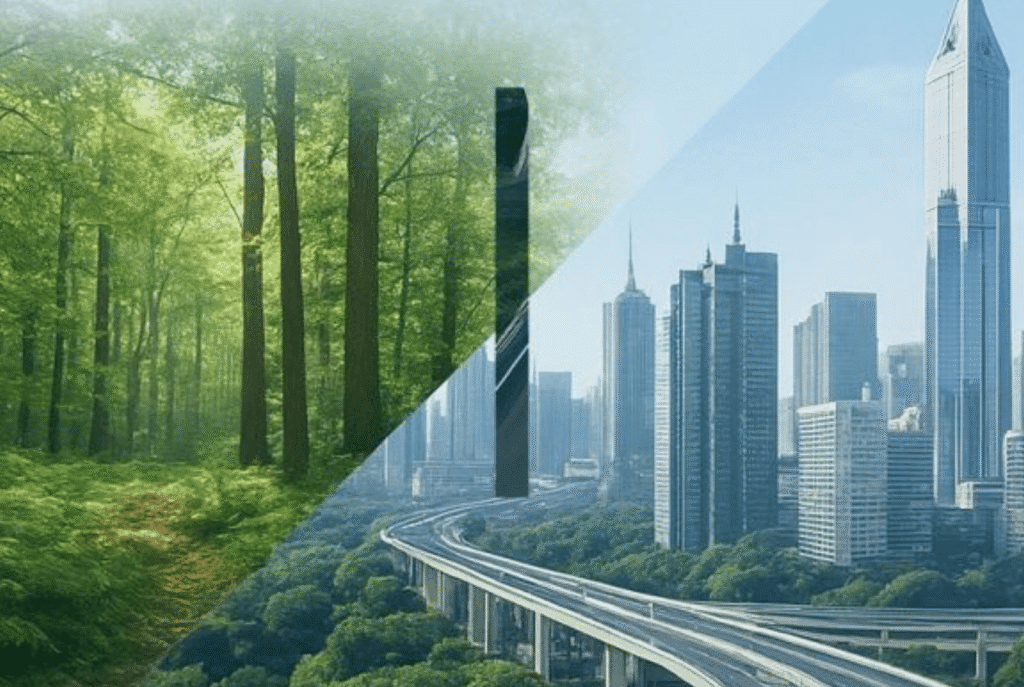
Home / “What has been will be again… there is nothing new under the sun.” — Ecclesiastes 1:9 It turns out, innovation isn’t always about breaking new ground; sometimes, it’s about looking deeper into the ground beneath us. Biomimicry challenges modern innovators to take their toughest design problems, and ask, “How does nature solve this?” […]
Why Board Buy-In Matters for Sustainability Transformation
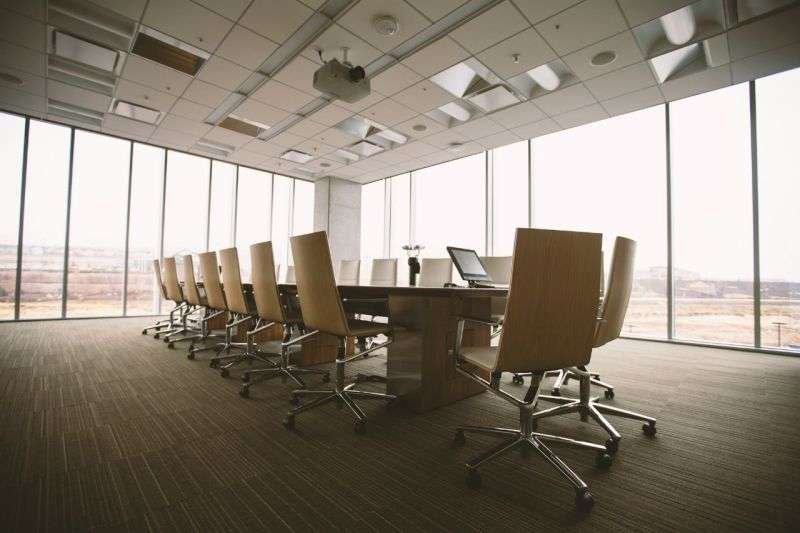
Home / Why Board Buy-In Matters for Sustainability Transformation As organisations prepare for the upcoming Australian Sustainability Reporting Standards (ASRS), many are recognising that real progress on reducing the resource and carbon intensity of value chains requires more than technical solutions, it requires strategic alignment from the top. Without genuine board-level buy-in, sustainability efforts can […]
Some things we buy stay with us for years. Others, we use once and forget.
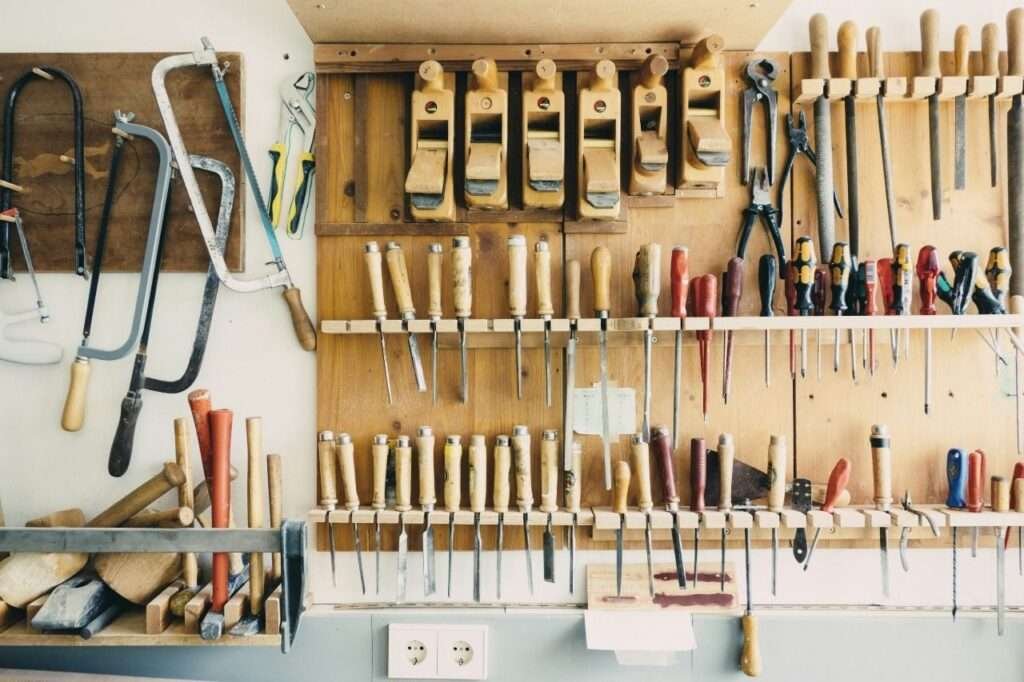
Home / Some things we buy stay with us for years. Others, we use once and forget. How do we access what we require, without locking resources into cupboards, garages, or landfills? From power tools and garden equipment to camping gear and kids’ toys, most products spend more time sitting idle than serving a purpose. Tool libraries, […]
Every celebration glows bright and fades beneath what it leaves behind.

Home / Every celebration glows bright and fades beneath what it leaves behind. Mountains of wrapping paper, ribbons, and packaging tell a quiet story of what gets unwrapped and left behind. Behind the sparkle lies a larger system, where forests are cut down, energy is spent, and billions are poured into products that often end up unused. […]