
Capability building isn’t just a buzzword.

Home / Capability building isn’t just a buzzword. It’s the foundation for a true shift toward a circular economy. Capability building to drive change may mean different things in different contexts. In driving a circular economy, it’s about embedding the skills, systems, and culture that allow organisations to consistently innovate, execute, and scale circular […]
We begin life surrounded by gifts, soft toys, tiny clothes, the colors of care.

Home / We begin life surrounded by gifts, soft toys, tiny clothes, the colors of care. They mark our beginnings, then slowly fade into drawers, boxes, or forgotten corners of memory. As we grow, the practice of giving grows to, but so does its impact. Each year, new things are bought, wrapped, and stored while […]
What are the opportunities for the hospitality industry to better design for a circular economy?
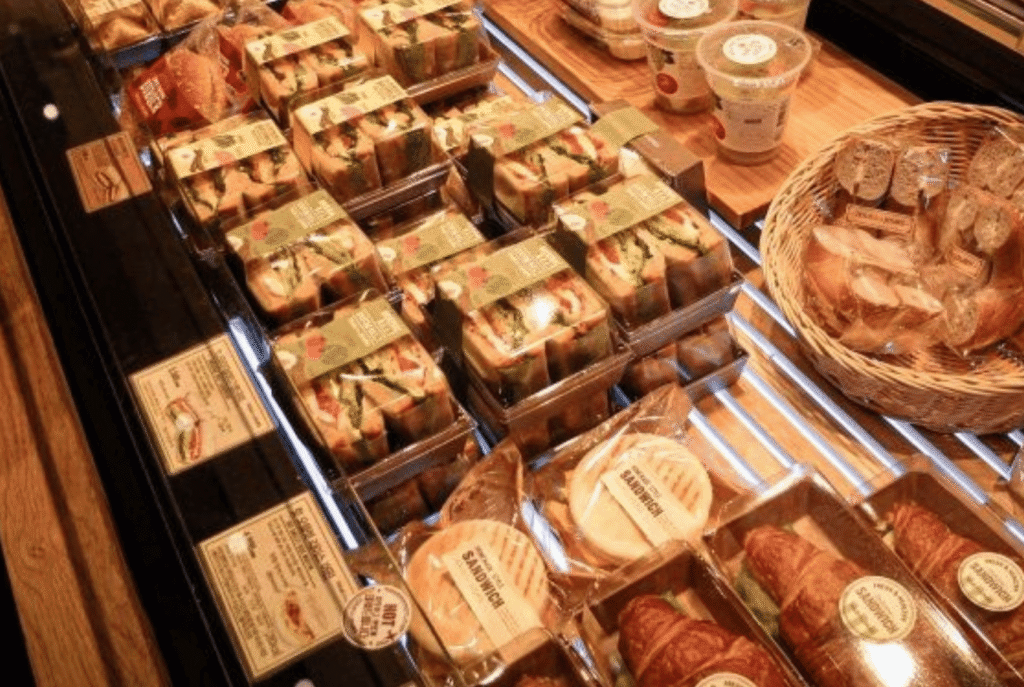
Home / What are the opportunities for the hospitality industry to better design for a circular economy? You might say – Packaging! Yes, it is an opportunity. But what about the most obvious? “Portions we serve!” We’ve seen portions increase in size over the last decades. A 6½-oz drink became 20 not because customers demanded […]
Why Board Buy-In Matters for Sustainability Transformation

Home / Why Board Buy-In Matters for Sustainability Transformation As organisations prepare for the upcoming Australian Sustainability Reporting Standards (ASRS), many are recognising that real progress on reducing the resource and carbon intensity of value chains requires more than technical solutions, it requires strategic alignment from the top. Without genuine board-level buy-in, sustainability efforts can […]
Every celebration glows bright and fades beneath what it leaves behind.

Home / Every celebration glows bright and fades beneath what it leaves behind. Mountains of wrapping paper, ribbons, and packaging tell a quiet story of what gets unwrapped and left behind. Behind the sparkle lies a larger system, where forests are cut down, energy is spent, and billions are poured into products that often end up unused. […]
The Rise of Shared-Use Design

Home / The Rise of Shared-Use Design What if products created more value after each use, not less? Shared-use models are now emerging as a practical lever for optimising resource use. The logic is simple: products designed to last, be repaired, or to be used across multiple life cycles (and users) to unlock its potential […]
Why Repair Still Matters.

Home / Why Repair Still Matters. We live in a world where upgrading feels easier than repairing. But every time we choose to fix rather than replace, we extend the story of the things we own—and reduce waste that would otherwise end up in landfill. A repaired phone, appliance, or garment not only saves money; […]
Remanufacturing is a growth strategy, not a cost
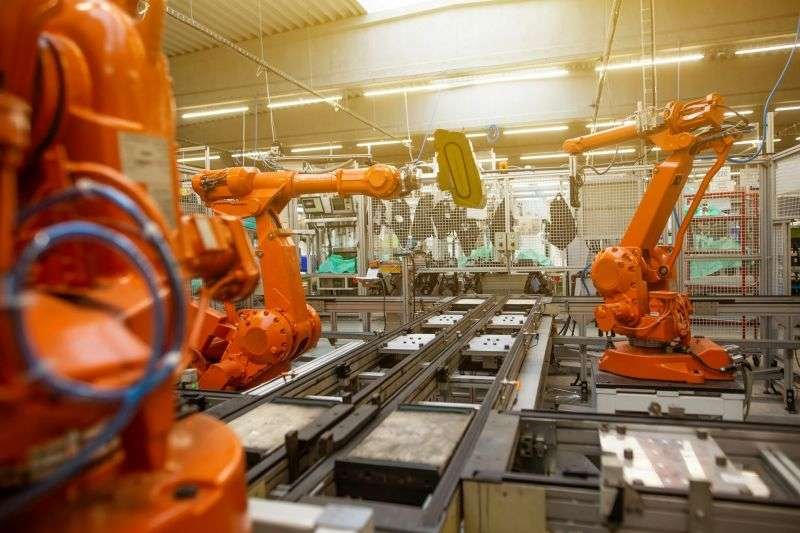
Home / Remanufacturing is a growth strategy, not a cost Remanufacturing used to be considered a niche activity—an add-on to traditional production. Today, it’s emerging as a strategic advantage for manufacturers seeking resilience, revenue diversification, and sustainability. What does that future look like? More importantly, when we work with manufacturers, what do we encourage them […]
Circular Economy Is About Designing Better Systems
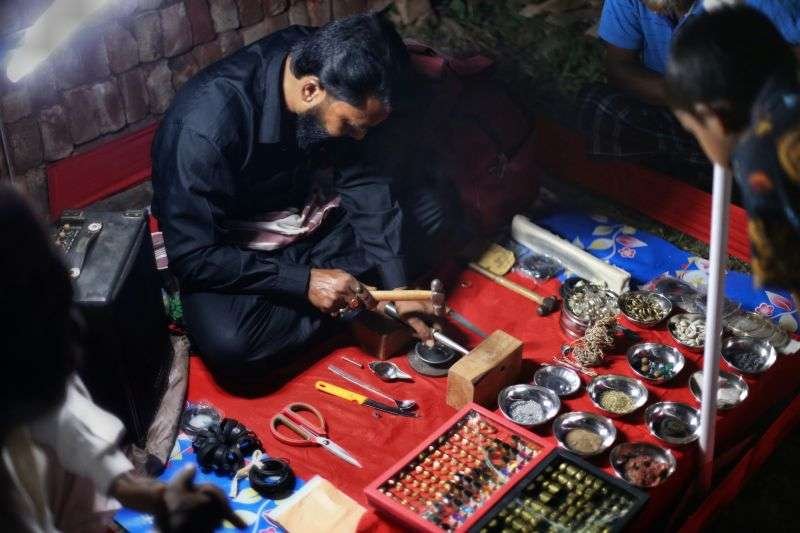
Home / Circular Economy Is About Designing Better Systems Repair, refurbishment and remanufacturing are often seen as end-of-life solutions, but in a circular economy, they are part of a much bigger story. It’s an important strategy that helps us bring a product back to life (regenerate) without going through energy-intensive steps to meddle with the material. At Anvarta, we work […]
The reality of trade-offs
Home / The reality of trade-offs Not all “sustainable” packaging options perform the same—and some fail where it matters most. Many organisations upgrade to new materials without a clear understanding of how those materials behave through real operational conditions, transport vibration, moisture exposure, stacking loads, contamination risks, and consumer interaction. Without this, packaging decisions become guesswork. A structured trade-off […]