
Every year, governments spend billions managing waste.

Home / Back Why are governments paying to manage waste that should never have been created? Every year, governments spend billions managing waste. Collection. Transport. Landfill. Environmental remediation. These costs continue to rise, yet they create little long-term economic value. A circular economy shifts the focus upstream. Instead of investing more resources in managing waste, […]
Circularity is often visualized as a closed loop

Home / Back Circularity is often visualized as a closed loop. But does a resource really need to return to the same product, process, or industry to be considered circular? The truth is: by oversimplifying it to ‘closed loop’ we deliver highly sub-optimal (or even damaging) outcomes ! What we should not forget is that […]
The real opportunity lies much upstream in the value chain:
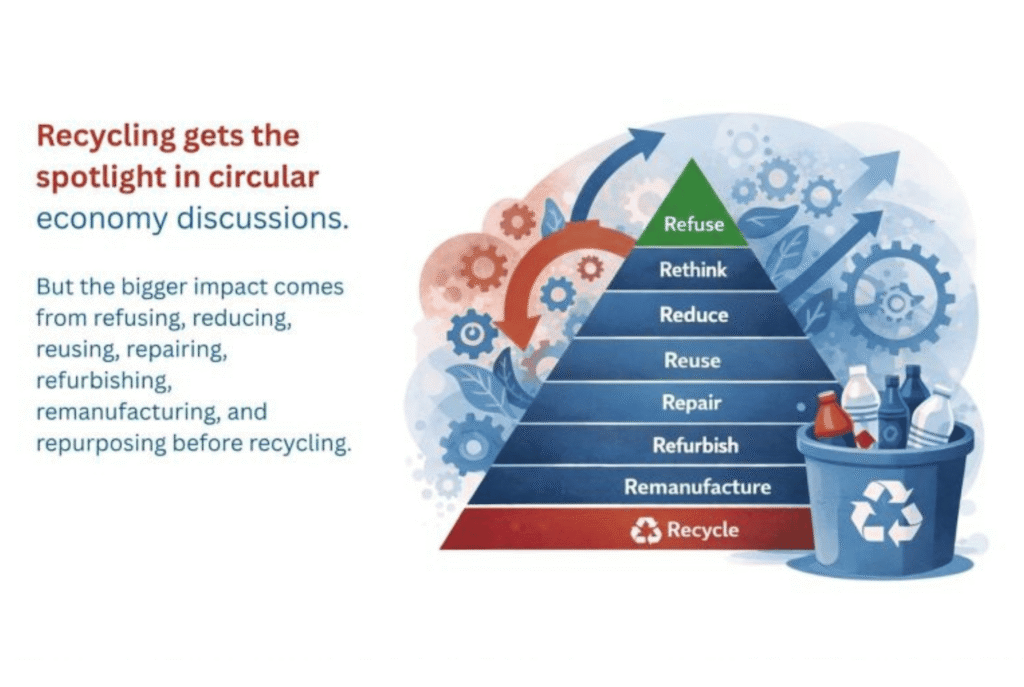
Home / Back Recycling has been a headline trend in circular economy conversations. The real opportunity lies much upstream in the value chain: refuse, rethink, reduce, reuse, repair, refurbish, remanufacture and repurpose before any lower order options. How do we make sure that other more efffective circular strategies are not overlooked, and acknowledge recycling as […]
Circular Economy thinking in designing cities
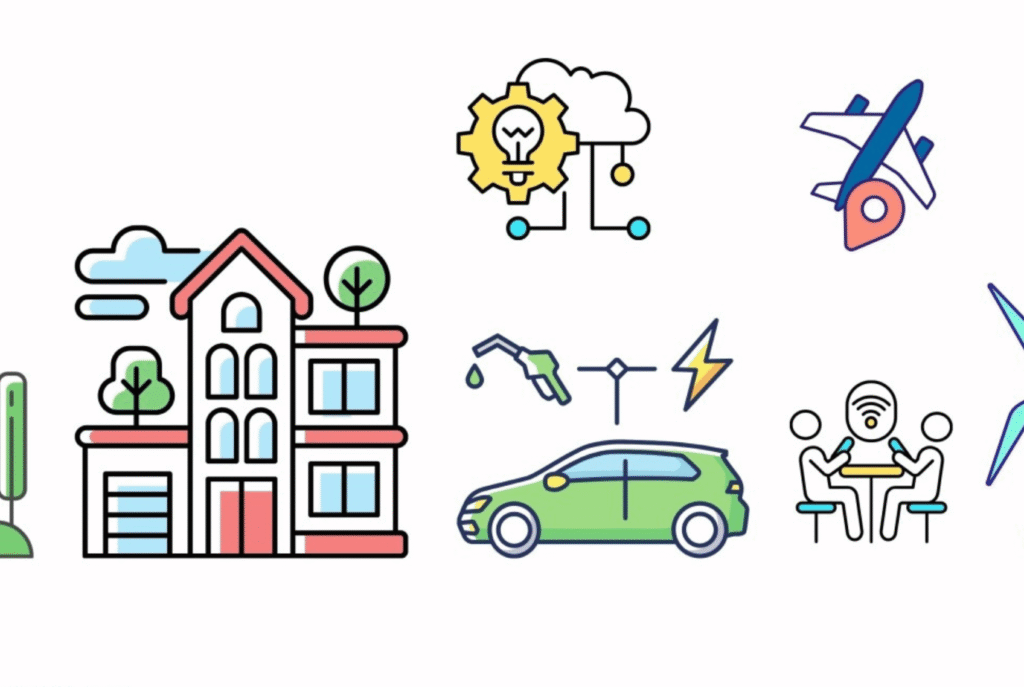
Home / Newsletter Circular Economy thinking in designing cities Cities account for over 70% of global CO2 emissions. An increase in transportation and industrial buildings emerging as prominent contributors to this phenomenon. 45% of the world’s greenhouse gas emissions are caused by land management practices and the production of resources, products, and food. While Australia […]
Recycling isn’t enough — here’s what comes next
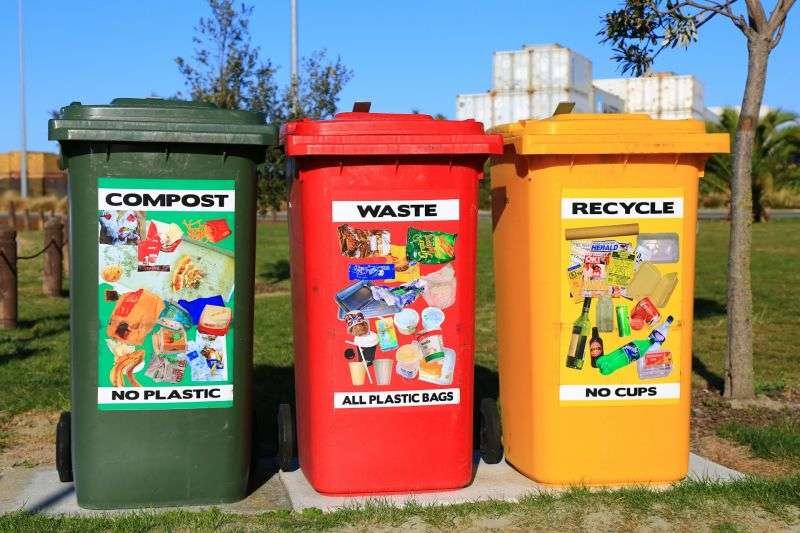
Home / Recycling isn’t enough — here’s what comes next We’ve all seen it. Bins full of “recyclables.” Trucks on the road. Factories breaking materials down. And yet — our waste problem keeps growing. Why? Because recycling is: 👉 Reactive — it only deals with waste after it’s created. 👉 Energy-intensive — transport + processing […]
Circular Economy Is About Designing Better Systems
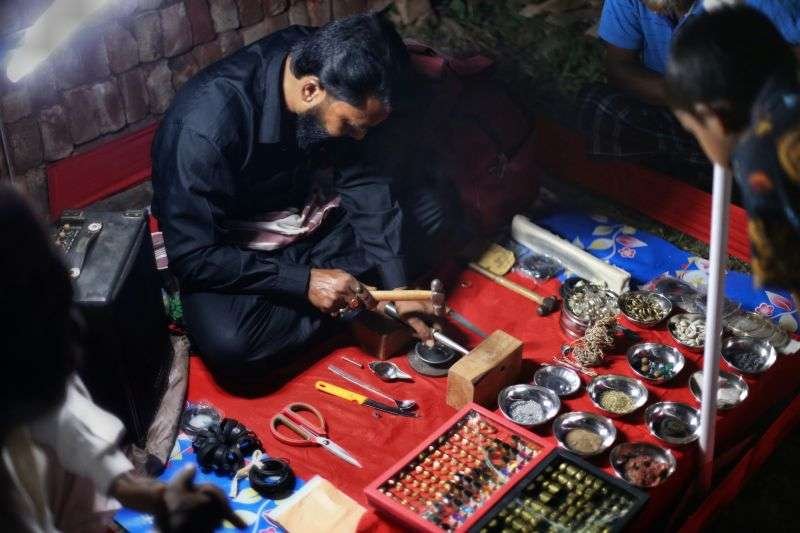
Home / Circular Economy Is About Designing Better Systems Repair, refurbishment and remanufacturing are often seen as end-of-life solutions, but in a circular economy, they are part of a much bigger story. It’s an important strategy that helps us bring a product back to life (regenerate) without going through energy-intensive steps to meddle with the material. At Anvarta, we work […]
Circular Economy Is About Designing Better Systems
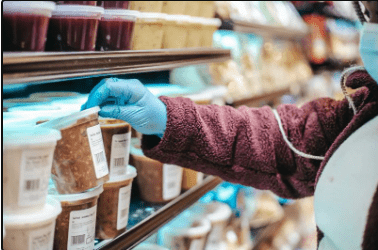
Home / Circular Economy Is About Designing Better Systems Most packaging problems don’t actually start on the shop floor. They start long before that—often in rooms where decisions are made with the best intentions, but not always with the full picture. Across every sector, teams are feeling the pressure to pick “better” or “greener” materials. […]
Did you know that circular procurement can enhance business competitiveness by creating resilience in your supply chain
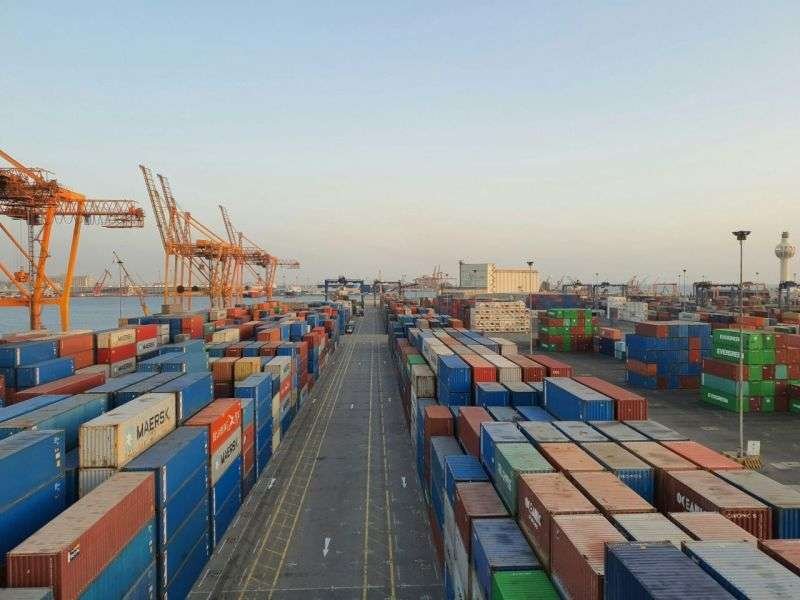
Home / Did you know that circular procurement can enhance business competitiveness by creating resilience in your supply chain, driving innovation and designing out waste to save costs? It improves supply chain resilience and encourages innovation. By prioritizing initiatives that are aligned with principles of circular economy, circular procurement: helps challenge demand for traditional products […]
Packaging is not a materials decision, but a system choice
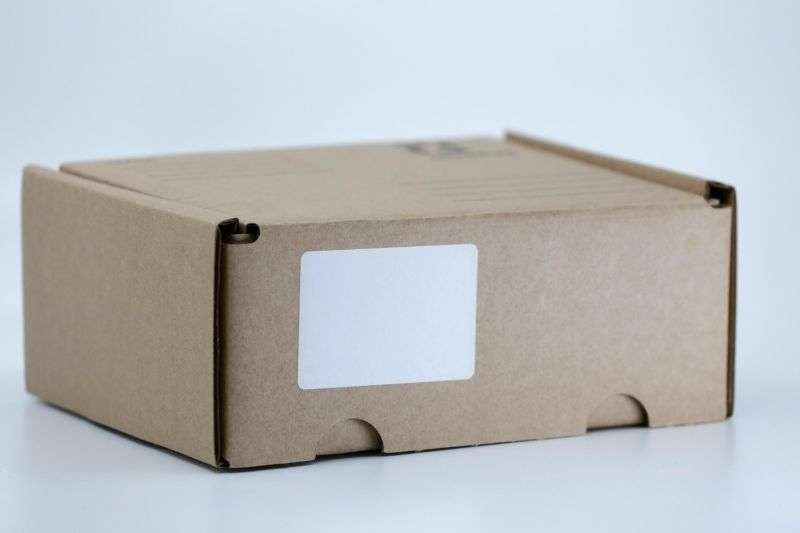
Home / Packaging is not a materials decision, but a system choice Packaging decisions are often treated as technical or material choices – Plastic versus paper – lighter versus heavier – Recyclable versus non-recyclable In practice, many organisations focus on improving one attribute at a time, usually in response to cost pressure, customer expectations, or […]
What contributed to the environmental footprint of the clothing industry?

The article explores the environmental impact of the clothing and textile industry, a sector responsible for 2% of global GDP and notable pollution levels. As consumption patterns shift with rising fast fashion trends, the industry faces scrutiny for its high resource use and waste generation. Key stages in the clothing production process contribute to environmental degradation, including water-intensive fiber […]