
Beyond the Purchase Price: Understanding the Real Cost of Procurement
Home / Back “We can’t afford to shift what we procure to buy sustainable or circular products” when we hear this, the real underlying question is: Can we afford not
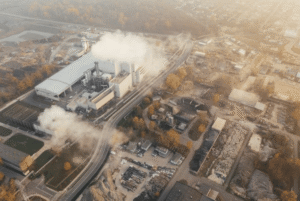
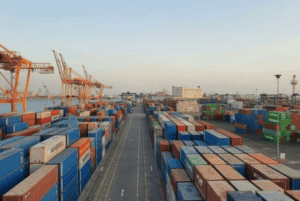
Home / Back “We can’t afford to shift what we procure to buy sustainable or circular products” when we hear this, the real underlying question is: Can we afford not
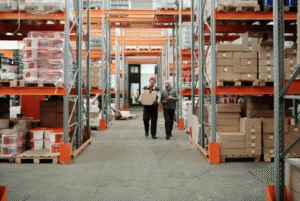
Home / Back “We’ve talked about decarbonisation, and also about a circular economy” “But, internally driving these are not enough” “We need to also purchase solutions that actively drive these!”

Home / Back A single organisational carbon footprint tells you what you emit not the full impact you create. Without life cycle thinking, upstream and downstream effects remain hidden. Are

Home / Back Can what we buy really change the market? Think about this for a moment. What if the simple act of purchasing could reshape an entire set of

Home / Back Here is something obvious. In cost-sensitive markets, customers are often unwilling to pay more for highly refined products alone. And here is something that is not so

Home / Back What if decarbonisation starts with making less? We keep asking: “How do we make the things we need with less carbon?” What if we asked a question

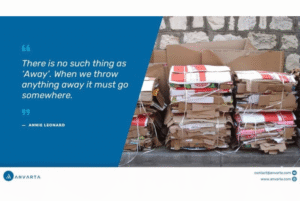
Home / Back Next time you toss something in the bin, ask yourself: Where is “away”? The truth is, there is no “away.” Every item we discard ends up somewhere

Home / Back What does clean production look like as a whole ? Use of clean energy + regenerative design + dematerialisation of supply chains + enhanced productivity and performance

Home / Back We cannot seriously aim to change how our economy works without changing the underlying incentives that shape business decisions. That is why the EU’s public consultation on redesigning VAT

CONCEPT PAPER Why aren’t buyers choosing your product? Home / Clean products gain market traction by delivering clear customer value, beyond technical performance or environmental benefits. Successful adoption requires understanding

Home / Back Why do promising pilot projects often struggle during industrial scale-up? Many clean economy innovations perform well in pilot trials. But why do they often encounter unexpected challenges

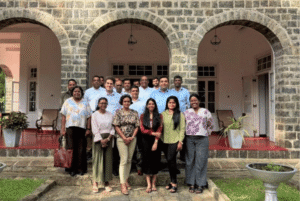
Home / Back What does a circular future look like for plantation sector? We are excited to begin this journey with Horana Plantations PLC, a member of the Hayleys Group,

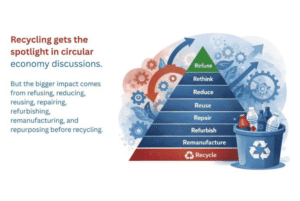
Home / Back Recycling has been a headline trend in circular economy conversations. The real opportunity lies much upstream in the value chain: refuse, rethink, reduce, reuse, repair, refurbish, remanufacture

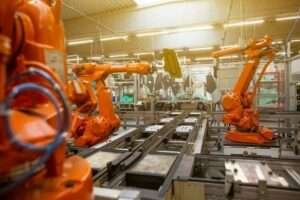
Home / What skills will define the future of advanced manufacturing? Together with The Gordon TAFE, City of Greater Geelong, Geelong Manufacturing Council, Geelong Tech School and Skilling the Bay,

Home / Some things we buy stay with us for years. Others, we use once and forget. How do we access what we require, without locking resources into cupboards, garages, or landfills?

Home / The Rise of Shared-Use Design What if products created more value after each use, not less? Shared-use models are now emerging as a practical lever for optimising resource

Home / Remanufacturing is a growth strategy, not a cost Remanufacturing used to be considered a niche activity—an add-on to traditional production. Today, it’s emerging as a strategic advantage for

Home / Newsletter Why Market Clarity Matters More Than Ever Market Mapping At Anvarta, our work with clean economy innovations proves one thing—the amount of focus going into creating market success

This content is restricted to site members. If you are an existing user, please log in. New users may register below.Existing Users Log InUsername or EmailPassword Remember Me New User RegistrationUsername*First Name*Last

CONCEPT PAPER UNPACKING MARKET GROWTH Home / A structured approach to clean economy growth transforming complex market challenges into clear, actionable strategies. This framework helps organizations identify opportunities, prioritize pathways,

CONCEPT PAPER UNPACKING MARKET GROWTH Home / A structured approach to clean economy growth transforming complex market challenges into clear, actionable strategies. This framework helps organizations identify opportunities, prioritize pathways,

This content is restricted to site members. If you are an existing user, please log in. New users may register below.Existing Users Log InUsername or EmailPassword Remember Me New User RegistrationUsername*First Name*Last

INSEE Ecocycle Lanka (Pvt) Ltd., is a fully owned subsidiary of Siam City Cement (Lanka) Limited (a member of the INSEE Group, Thailand) and holds the unique position as Sri

Convertibles Are the New Black! A famous saying that outlines the impact of textile and clothing is, “The most sustainable garment is the one that is never made!” With textile